Information to Help You Better Understand Your Pain
From the causes and symptoms of pain to diagnostic approaches and different treatment options, you’ll find easy-to-understand medical articles here to help you learn what may be behind your pain and when you may need a specialist evaluation.
Practical, easy-to-understand articles about pain conditions, treatments, and recovery.
Causes of Lower Back Pain and When Should You See a Doctor?
Lower back pain is one of the most common types of pain and can occur due to a variety of factors, ranging from muscle strain and minor issues to problems affecting the discs, nerves, or spine. In some cases, the pain may not be related to a specific spinal condition at all.
The pain may be mild and resolve within a short period, or it may last longer and affect movement, sleep, work, and daily activities. The World Health Organization notes that most cases of non-specific low back pain do not have a specific underlying disease that can be easily identified.
What Can Cause Lower Back Pain?
Possible causes include:
• Muscle strain or tension.
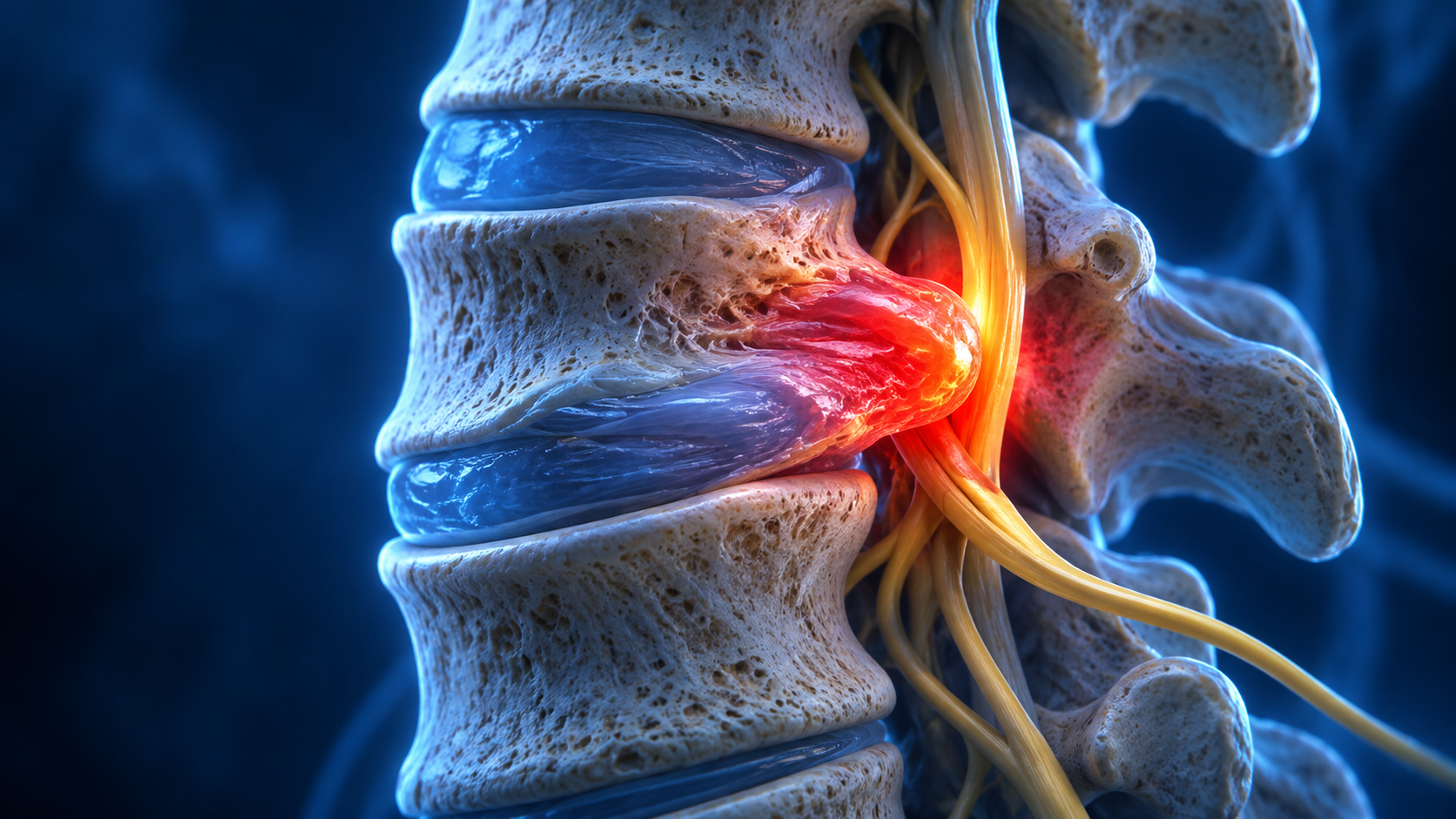
• Disc problems and herniated discs.
• Nerve irritation or compression.
• Osteoarthritis affecting some of the spinal joints.
• Spinal canal stenosis.
• Vertebral injuries or fractures.
• Certain other health conditions that require specialist evaluation.
When Should You See a Doctor?
If the pain persists, recurs frequently, gets worse over time, or affects your ability to move, sleep, work, or carry out daily activities, it is best to seek a medical evaluation rather than relying on painkillers on a regular basis.
If lower back pain is accompanied by pain radiating down the leg, numbness, tingling, or weakness, this may indicate that a nerve is being affected and requires appropriate evaluation.
Does Every Case of Back Pain Require Imaging?
No. Not every case requires the same tests. Your doctor will determine whether imaging or additional tests are necessary based on your symptoms and clinical examination.
Treatment Options
Treatment varies depending on the cause. It may include conservative treatment or, in some cases, non-surgical interventions, depending on the source of the pain and the nature of the underlying problem.
Is your back pain persistent or does it keep coming back?
Book your consultation and take the first step toward identifying the source of your pain.
Herniated Disc: Symptoms, Causes, and When Does It Require Treatment?
A herniated disc is a condition that can cause pain in the back or neck, and the pain may sometimes radiate to the arm or leg depending on the location of the disc and the affected nerve.
However, finding a herniated disc on imaging does not necessarily mean that it is the cause of the pain. Diagnosis depends on correlating the imaging findings with the symptoms and clinical examination.
Symptoms may include:
Pain in the lower back or neck.
Pain radiating to the leg or arm.
Numbness or tingling.
Weakness in certain muscles.
Increased pain with certain movements or positions.
Does a Herniated Disc Require Surgery?
Not every case of a herniated disc requires surgery. Treatment is determined based on the severity of symptoms, the extent to which the condition is affecting the nerves, and the patient’s response to appropriate treatment.
For some patients, non-surgical treatment may be the appropriate option, while other cases may require a different type of evaluation.
When Should You Not Delay Seeing a Doctor?
If you experience significant weakness with movement, worsening neurological symptoms, or severe and persistent pain that affects your daily life, it is best to seek a medical evaluation rather than relying on painkillers alone.
Not every herniated disc requires surgery. The important first step is to determine: Is the disc actually the source of the pain?
Book Your Consultation
Knee Osteoarthritis: When Is the Pain Expected, and When Do You Need Treatment?
Knee osteoarthritis can cause pain, stiffness, and difficulty moving, especially when walking for long periods, climbing stairs, or getting up from a seated position.
However, the severity of symptoms does not always directly correspond to the degree of changes seen on imaging. That is why evaluating the patient and their symptoms is important when choosing the appropriate treatment plan.
When Does Knee Osteoarthritis Require Treatment?
If the pain becomes frequent, starts affecting movement, sleep, or daily activities, or painkillers are no longer sufficient to control the symptoms, a specialist evaluation may be needed to determine the appropriate treatment options.
Are Hyaluronic Acid Injections Suitable for Everyone?
No.
Hyaluronic acid injections may be an option for some cases of joint pain and osteoarthritis, but their use depends on an assessment of the condition, the severity of the problem, and the symptoms.
What About PRP?
Platelet-rich plasma injections, or PRP, are used in some cases of joint pain and tendon injuries. However, they are not suitable for every patient, and the decision to use them depends on the diagnosis.
Is your knee keeping you from moving comfortably?
Explore the treatment options suitable for your condition and book your consultation.
PRP Injections: Who Can Benefit from Them and When?
Platelet-rich plasma injections, or PRP, are non-surgical treatment options used in some cases of joint and tendon pain and injuries.
The idea is simple: a portion of the patient’s blood is processed to obtain platelet-rich plasma, which is then used in the targeted area depending on the condition.
Is PRP Suitable for Every Patient?
No.
PRP is not a one-size-fits-all solution for every type of pain. Its suitability depends on the type and location of the problem, its severity, and the diagnosis.
What Are the Potential Benefits?
Uses a substance derived from the patient’s own blood.
A non-surgical treatment option.
May be suitable for some joint and tendon conditions.
Can be used as part of a broader treatment plan, depending on the condition.
Is PRP Better Than All Other Types of Injections?
Not necessarily.
Treatment should not be chosen based on “what is the strongest,” but rather on what is most appropriate for the condition.
Considering PRP?
The first step is to determine whether it is actually suitable for your condition.
Book Your Consultation.
Radiofrequency for Pain Management: When Is It Appropriate?
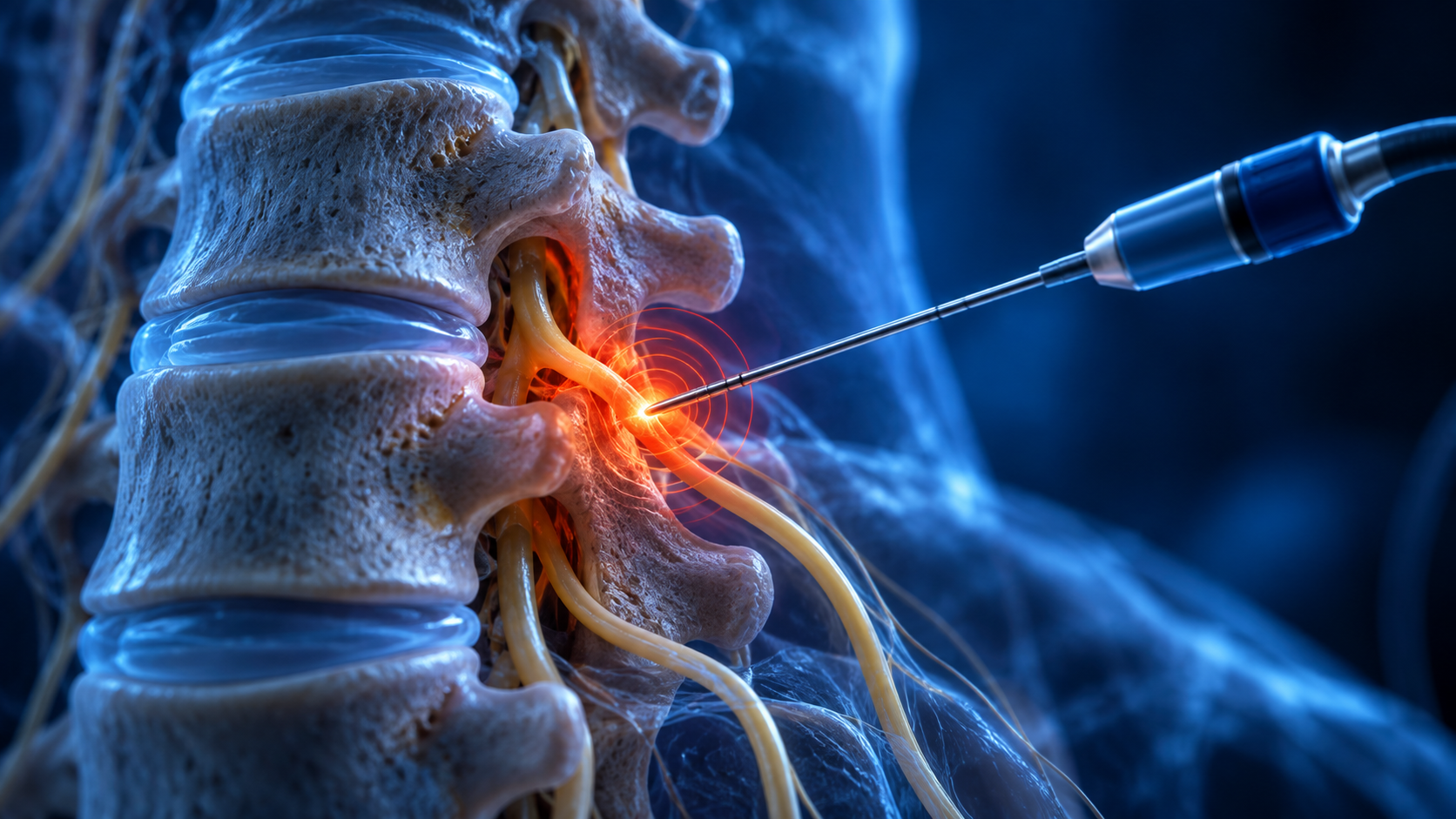
Radiofrequency, or Radiofrequency Ablation (RFA), is a non-surgical intervention that may be used in some cases of chronic pain, particularly when the source of pain is well identified and the nerves responsible for transmitting pain signals can be targeted.
The basic idea is to affect the transmission of pain signals by targeting specific nerves, depending on the type of procedure, the location of the pain, and the diagnosis.
Is Radiofrequency Suitable for All Types of Pain?
No.
Choosing the procedure depends primarily on identifying the source of the pain and determining whether the targeted nerve is actually associated with the symptoms.
When May It Be an Option?
It may be suitable for some patients with chronic pain from a specific source, particularly after a thorough assessment and selection of the appropriate procedure.
Is It a Surgical Procedure?
No. Radiofrequency is a minimally invasive, non-surgical procedure. However, this does not mean it is suitable for every condition or that it is always an alternative to surgery.
If your pain persists despite previous treatment attempts, it may be time to evaluate different treatment options.
Book your consultation to find out whether radiofrequency is suitable for your condition.
Persistent Neck Pain: Common Causes and When Should You See a Doctor?
Neck pain may simply be temporary muscle strain, but it can sometimes be related to problems affecting the cervical vertebrae, joints, or nerves.
If the pain persists or keeps recurring, especially when accompanied by numbness, tingling, or pain radiating to the shoulder and arm, it is important to identify the underlying cause rather than simply treating the pain.
Common Causes of Neck Pain
Possible causes include:
Muscle strain.
Sitting for long periods in an improper position.
Certain problems affecting the cervical vertebrae and discs.
Osteoarthritis of the neck joints.
Nerve irritation or compression.
When Do You Need a Specialist Evaluation?
When the pain persists or worsens, starts affecting movement, sleep, or work, or is accompanied by neurological symptoms such as numbness, tingling, or weakness in the arm.
Does Every Case of Neck Pain Require Imaging?
Not necessarily.
The required tests are determined based on the symptoms and clinical examination, and not every case requires the same type of imaging.
Has your neck pain been persistent?
Instead of continuing to treat the symptom, let’s identify the source of the pain.
Book Your Consultation.
Nerve Pain: How Can You Tell If Your Pain Is Coming From a Nerve?
Not all pain is caused by a muscle or joint. Sometimes, the nerves themselves are the source of pain. In that case, you may experience burning, numbness, tingling, or an electric-shock-like sensation. The pain may occur in a specific area or travel along the path of a nerve to the arm or leg.
What Is Nerve Pain?
Nerve pain, or Neuropathic Pain, occurs as a result of irritation, compression, or damage affecting a nerve, whether a peripheral nerve or a nerve emerging from the spine.
For treatment to be appropriate, the first step is to identify the affected nerve and what is causing the pain.
How Can I Tell If My Pain May Be Nerve-Related?
Common signs include:
Burning or a sensation of heat.
Numbness or tingling.
Electric-shock-like sensations.
Sharp or intermittent pain.
Pain that travels from the back to the leg or from the neck to the arm.
Unusual sensitivity to touch in some cases.
Not all of these symptoms have to occur together.
What Causes Nerve Pain?
Nerve pain can be associated with various causes, including:
Nerve Compression or Irritation:
Such as certain cases of herniated discs or spinal canal stenosis, which can affect the nerves and cause radiating pain or numbness.
Nerve Injuries:
Certain injuries or surgical procedures may affect the nerves and cause neuropathic pain.
Peripheral Neuropathy:
Some health conditions can affect the peripheral nerves and cause symptoms such as burning, numbness, and tingling.
When Should You See a Doctor?
A specialist evaluation is recommended if the pain:
Persists or keeps recurring.
Gets worse over time.
Affects sleep or movement.
Is accompanied by numbness or weakness.
Radiates to the arm or leg.
If neurological symptoms are progressing rapidly or significant weakness develops, the condition should be evaluated promptly.
How Is Nerve Pain Diagnosed?
Diagnosis begins by understanding the nature, location, and duration of the pain, along with a clinical and neurological examination. In some cases, imaging or additional tests may be needed to identify the source of the pain more accurately.
The goal is not simply to determine that the pain is “nerve-related,” but to understand what is causing the problem and which nerve is affected.
What Are the Treatment Options for Nerve Pain?
Treatment varies depending on the cause and the individual condition, and not every patient requires the same intervention.
Nerve Block
A nerve block may be used to target a specific nerve or area associated with the pain. In some cases, it may help relieve pain and assess its source.
Radiofrequency
Radiofrequency may be an option for some cases of chronic nerve pain by targeting specific nerves involved in transmitting pain signals.
Local Injections
In some cases, targeted injections may be used in a specific area based on the source of the pain and the diagnosis.
The treatment plan may also include medications specifically used for neuropathic pain, depending on the physician’s assessment.
If your pain feels like burning, numbness, tingling, or electric shocks, or travels along a specific path in your arm or leg, it may be related to the nerves.
However, an accurate diagnosis is the first step toward choosing the appropriate treatment.
Experiencing pain or numbness and not sure what is causing it?
Book your consultation and start with an assessment of your condition to identify the source of your pain.
Reading about your symptoms can help you understand them better, but an accurate diagnosis starts with a specialized evaluation of your condition.
Book your consultation and take the first step toward identifying the source of your pain.