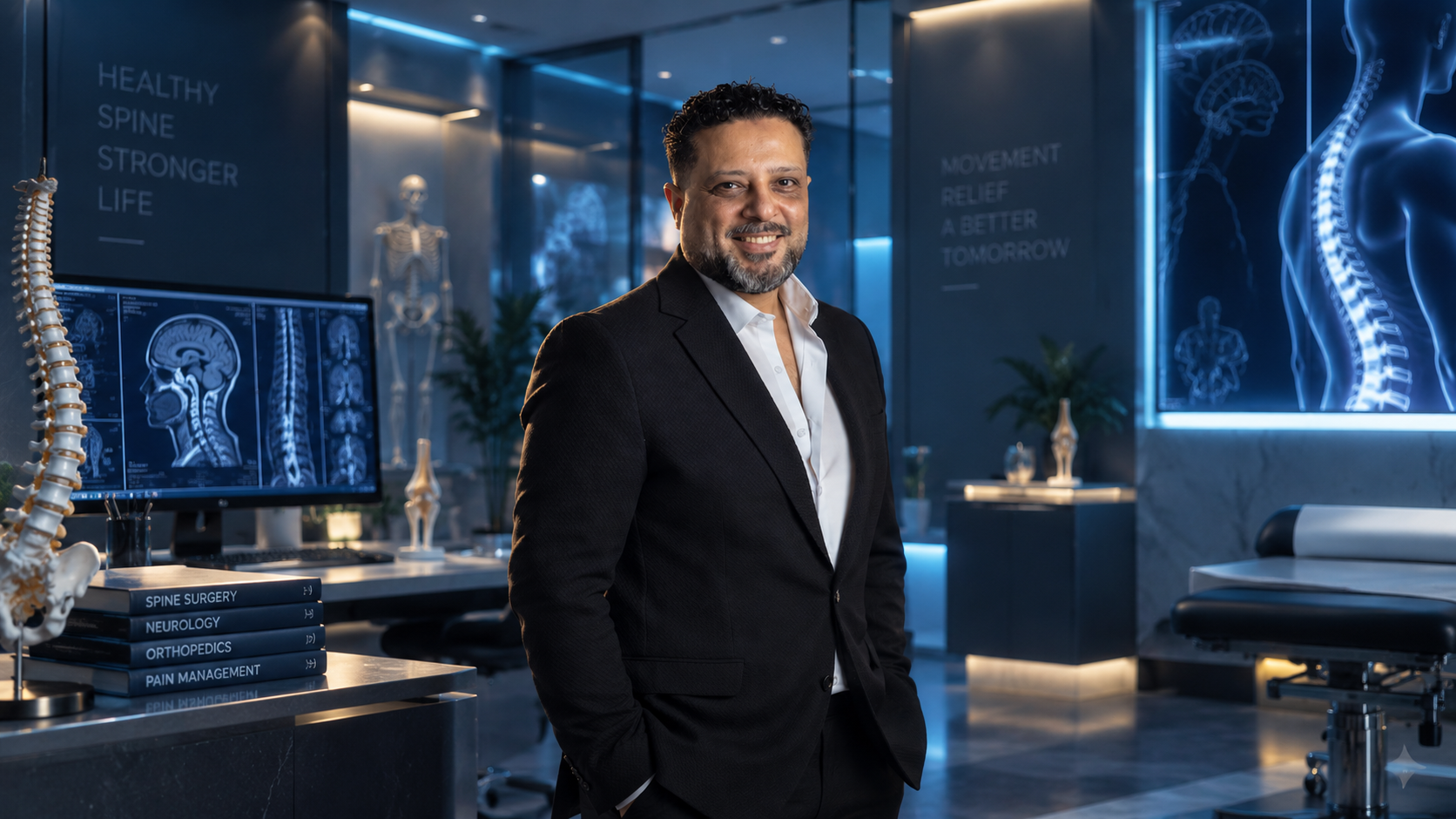
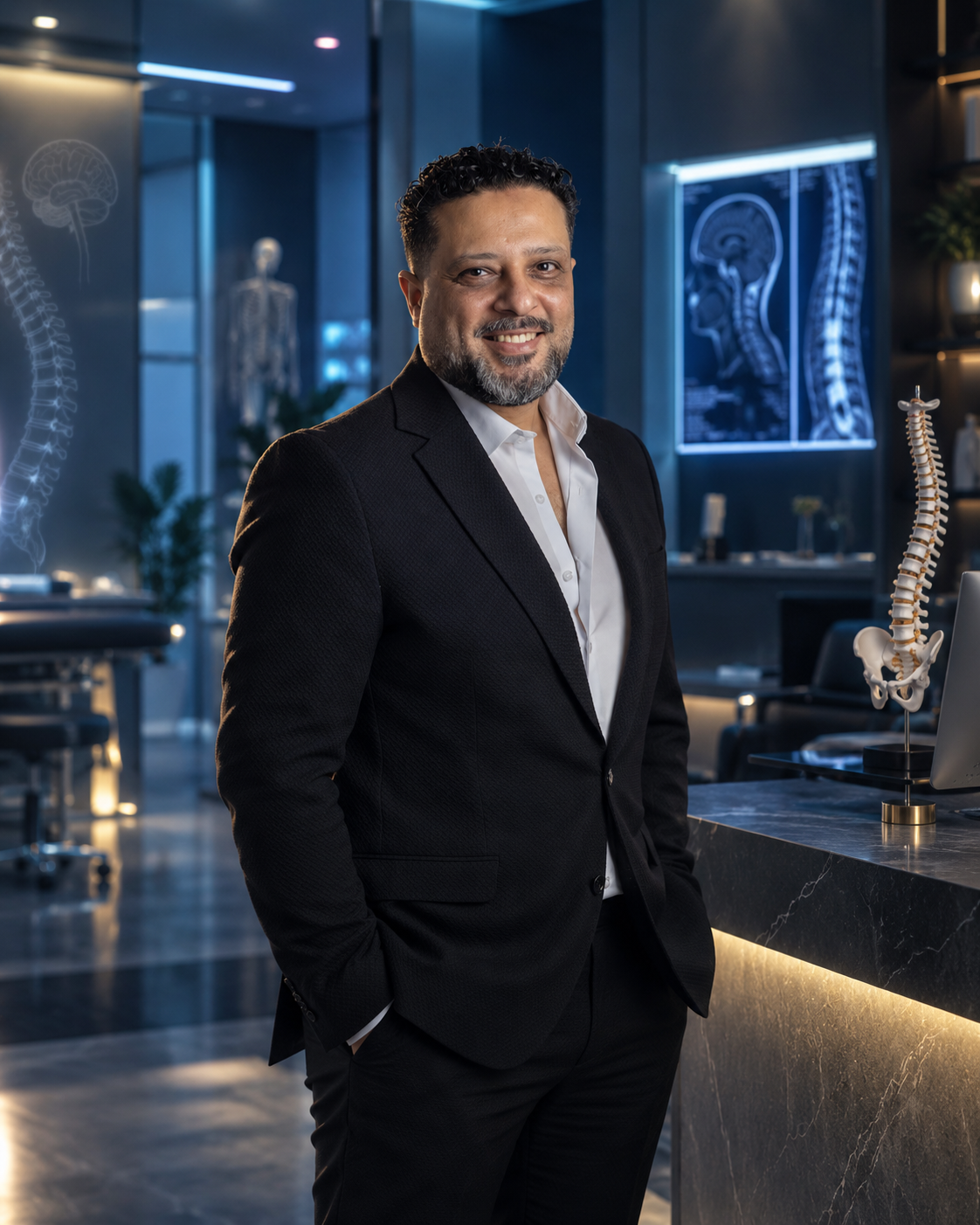
Dr. Ahmed WagihPain Management Consultant
Portrait illustration of Dr. Ahmed Wagih

Pain doesn’t have to be a part of your life.

Specialized care to diagnose the causes of your pain and treat them with non-surgical options tailored to your condition.

Specialized Expertise in Pain Management

Specialized Experience in Pain Management and Joint & Spine Injuries

  • Bachelor’s Degree in Medicine and Surgery – Alexandria University, 2005
  • Master’s Degree in Anesthesiology and Surgical Intensive Care – 2014
  • Fellowship and Doctorate in Pain Management – 2020
Learn More

Conditions We Treat

We treat a wide range of pain conditions, with a personalized treatment plan for each patient based on the underlying cause and individual needs.

Your Treatment Journey

Your journey toward pain relief begins with understanding the cause, an accurate diagnosis, and a treatment plan tailored to your condition.

01

Assessment & Consultation

We listen carefully to the details of your pain, including its location, duration, and the factors that worsen or relieve it.

02

Tests & Imaging

When needed, appropriate tests or imaging may be recommended to gain a clearer understanding of the cause of the pain.

03

Identifying the Source of Pain

We do not rely on imaging alone. Test results are considered alongside your symptoms and clinical examination to help identify the source of the pain.

04

Treatment Planning

The most appropriate treatment is selected based on the diagnosis, pain severity, and each patient’s overall health.

05

Therapeutic Intervention

Depending on the condition, treatment may include non-surgical interventions such as therapeutic injections, nerve blocks, or radiofrequency treatment.

06

Follow-Up

We monitor your response to treatment, evaluate the results, and determine the next steps when needed.

15Years of Specialized Experience
5,000+Patients Cared For
97%Symptom Improvement

Figures shown are illustrative placeholders and will be updated with verified data.

Non-Surgical Treatment Options

Specialized treatments aimed at relieving pain and restoring your ability to move, without the need for surgical intervention when appropriate.

Why Choose Dr. Wagih ?

A patient-first philosophy, supported by accurate diagnosis and a commitment to achieving the best possible outcomes.

  • Specialized Expertise

    More than 20 years of experience in evaluating and treating pain conditions.

  • Diagnosis Before Treatment

    Treatment does not begin simply by identifying where the pain is located; the goal is to first understand its source and the factors contributing to it.

  • Non-Surgical Treatment Options

    Using a range of targeted therapeutic interventions to reduce pain when appropriate for the condition.

  • Modern Techniques and Equipment

    Using modern technologies for accurate diagnosis and precise therapeutic interventions such as dynamic ultrasound, which helps assess certain tissues and joints during movement

  • Using approved and trusted therapeutic materials.

    The materials used in treatment procedures are selected according to appropriate safety and quality standards for each case.

  • Post-Procedure Follow-Up

    The treatment plan does not end with the procedure; the patient’s response to treatment is monitored, and the need for additional steps is assessed

Portrait illustration of Dr. Ahmed Wagih

Real Stories, Real Relief

A glimpse of what patients share about their diagnosis, treatment, and recovery.

Good evening. My sincere thanks and appreciation to Dr. Ahmed Wagy. I am doing very well after the injections and I am continuing my physical therapy with Dr. Nancy at the clinic. She is truly an excellent doctor and very dedicated to her work. May God bless you all. The clinic is very comfortable and gives you a real sense of peace. No matter how much I say about Dr. Ahmed’s work and the reassurance he gives his patients, I would never be able to do it justice. If you have any pain or health concerns, I truly recommend seeing him and experiencing it for yourself. I am speaking from personal experience. May God bless him and grant him continued success. My sincere thanks, appreciation, and respect.
H

Hanaa Abbasi

Honestly, he is one of the kindest and most caring doctors I have ever met. From my personal experience, he follows up with his patients after injections and does not charge patients for follow-up consultations. He is truly a respectful and compassionate person. The staff at Lotus Center are also very respectful and courteous, especially Ms. Naglaa. When I had an injection in my back, she stayed with me and my wife until the morning to make sure we were okay.
M

Mohamed refaat

Peace be upon you, Professor. First of all, I would like to express my sincere thanks, appreciation, and gratitude to you. I pray that God blesses you, grants you success, and continues to bless you with further progress and lasting success. Thanks be to God, my wife is now doing very, very well after receiving treatment for her knee osteoarthritis under your care. May God bless you and grant you continued success. Amen, amen, Lord of the Worlds. God willing, we will have our follow-up appointment next Wednesday, Professor.
A

Ahmed Sami nnnnn

Thank you so much for all your care and effort with my husband. Mashallah, may God bless you. We are very pleased with the excellent results of his treatment for the disc problem.
N

Nermine Mohamed

Watch & Learn

Short, practical videos from Dr. Wagih on common conditions and what to expect from treatment.

Insights for Your Recovery

Back Pain

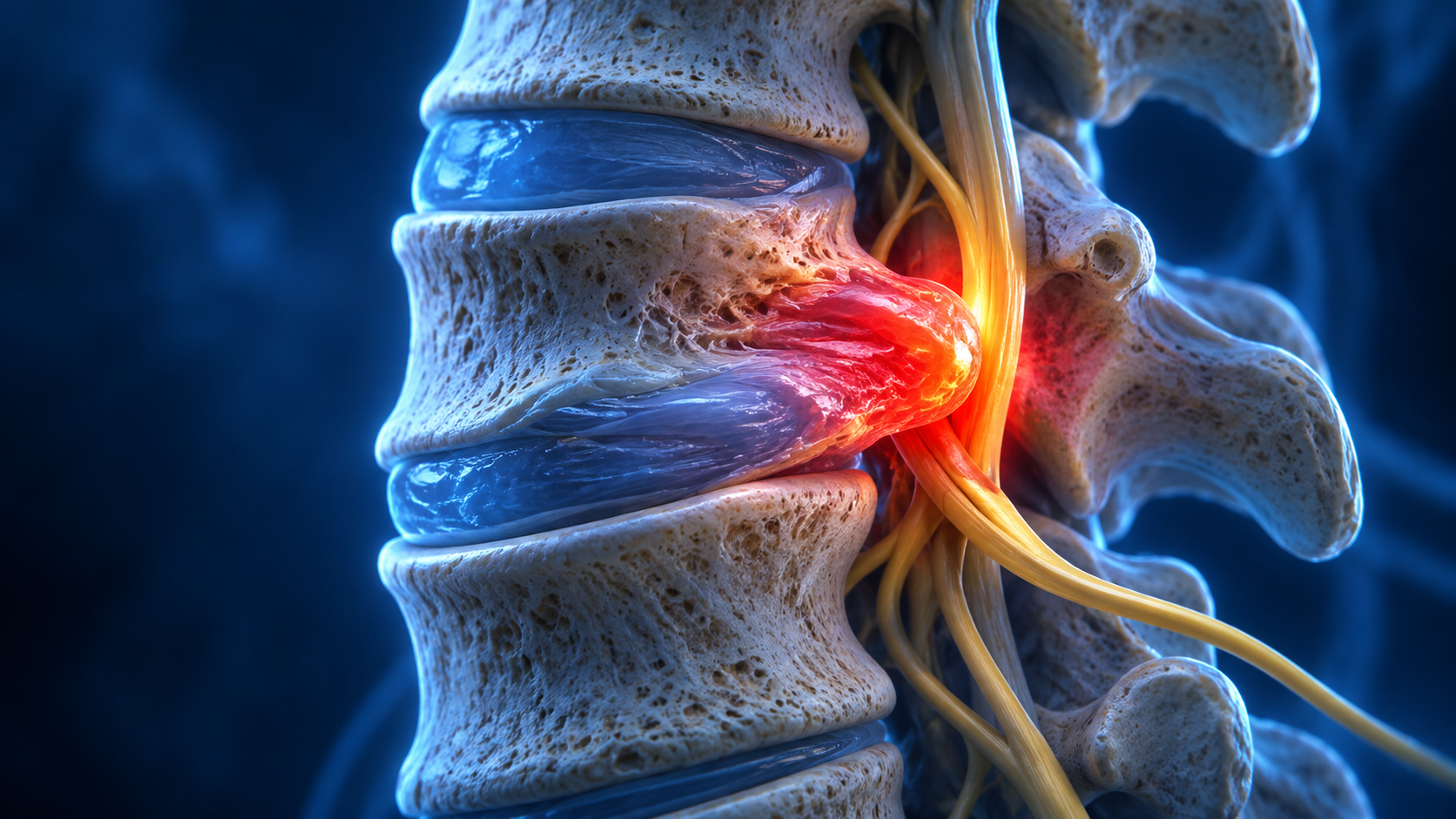
Herniated Disc: Symptoms, Causes, and When Does It Require Treatment?

A herniated disc is a condition that can cause pain in the back or neck, and the pain may sometimes radiate to the arm or leg depending on the location of the disc and the affected nerve. However, finding a herniated disc on imaging does not necessarily mean that it is the cause of the pain. Diagnosis depends on correlating the imaging findings with the symptoms and clinical examination. Symptoms may include: Pain in the lower back or neck. Pain radiating to the leg or arm. Numbness or tingling. Weakness in certain muscles. Increased pain with certain movements or positions. Does a Herniated Disc Require Surgery? Not every case of a herniated disc requires surgery. Treatment is determined based on the severity of symptoms, the extent to which the condition is affecting the nerves, and the patient’s response to appropriate treatment. For some patients, non-surgical treatment may be the appropriate option, while other cases may require a different type of evaluation. When Should You Not Delay Seeing a Doctor? If you experience significant weakness with movement, worsening neurological symptoms, or severe and persistent pain that affects your daily life, it is best to seek a medical evaluation rather than relying on painkillers alone. Not every herniated disc requires surgery. The important first step is to determine: Is the disc actually the source of the pain? Book Your Consultation

Read More
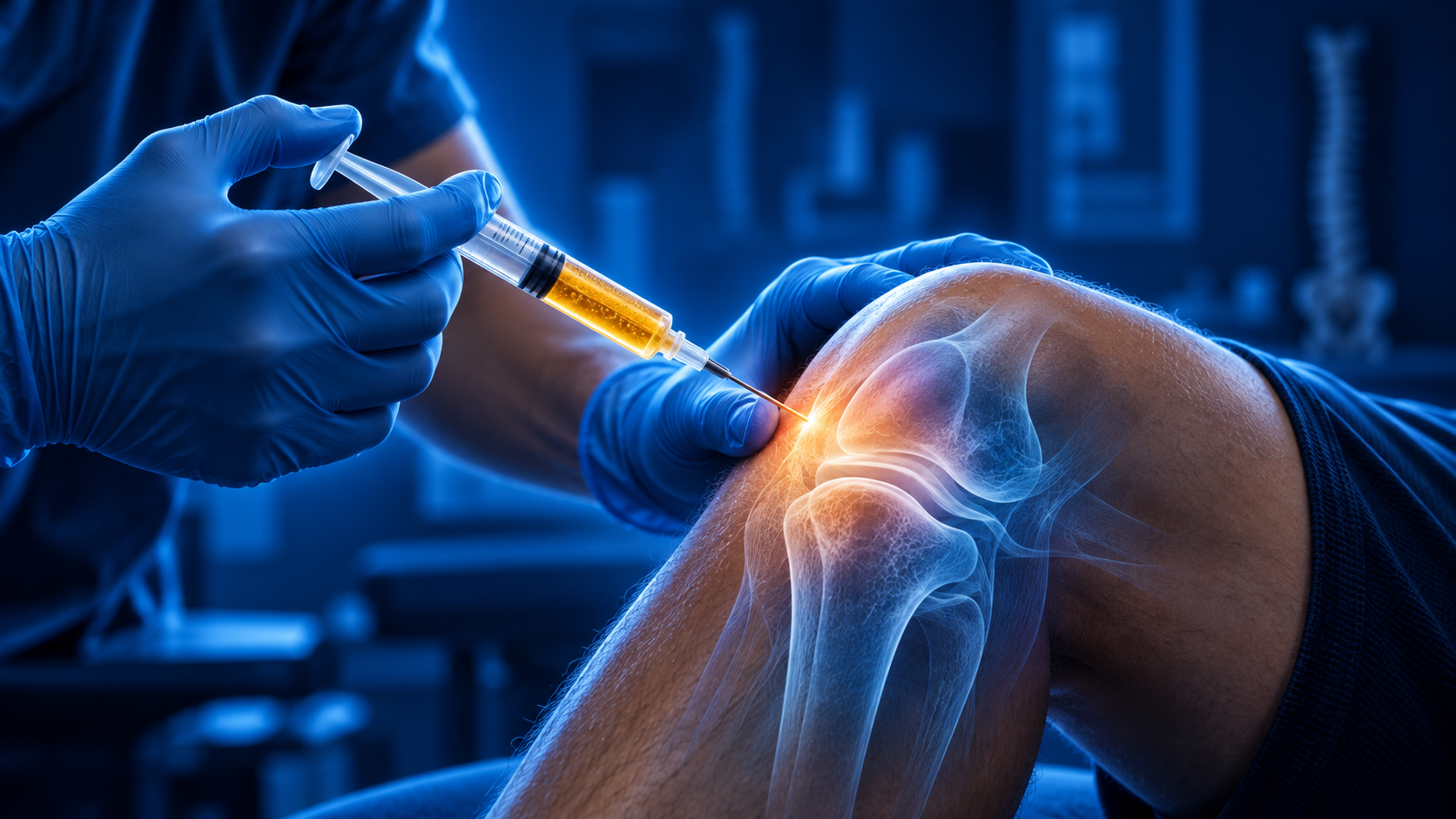
Knee Pain

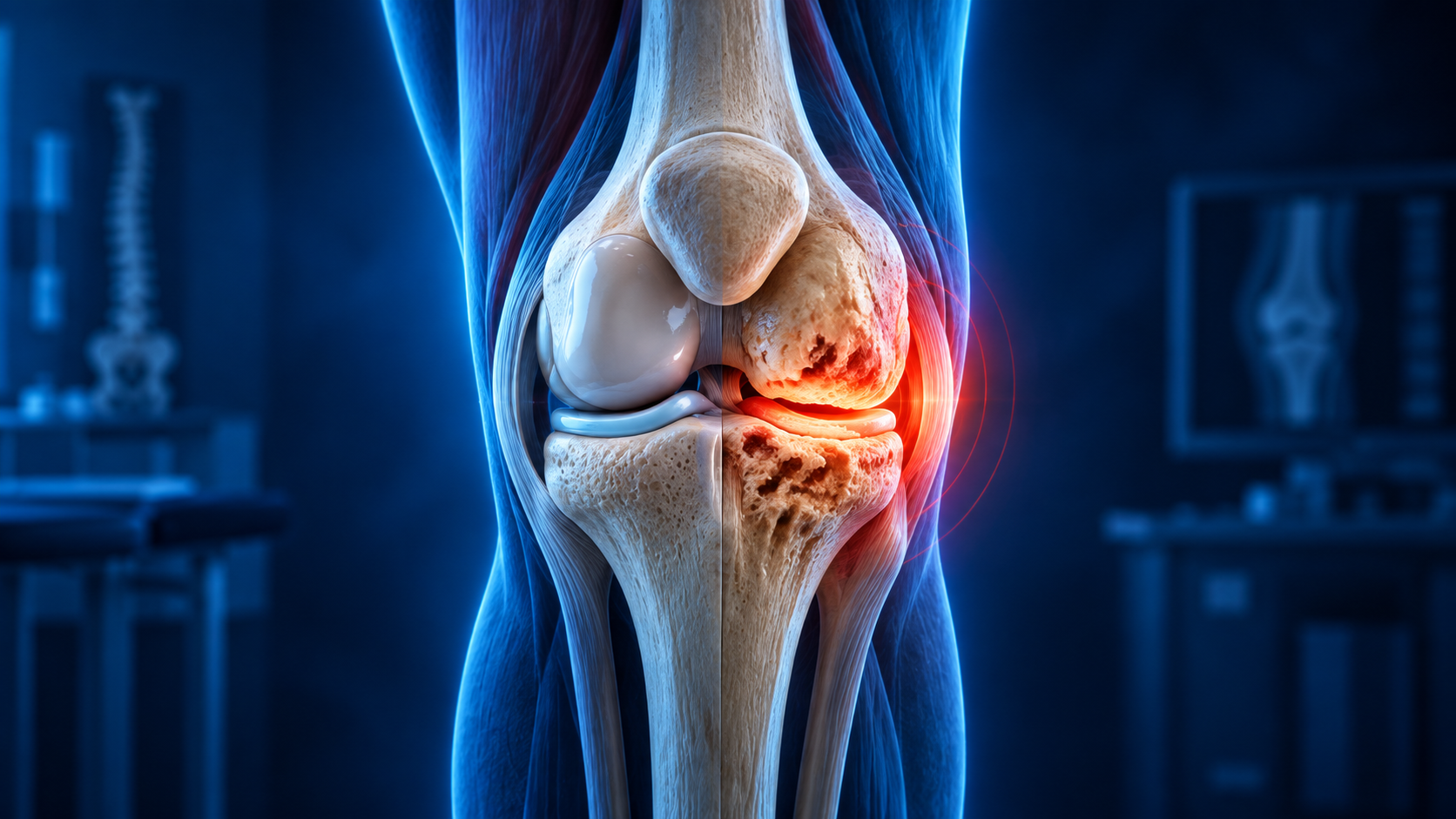
Knee Osteoarthritis: When Is the Pain Expected, and When Do You Need Treatment?

Knee osteoarthritis can cause pain, stiffness, and difficulty moving, especially when walking for long periods, climbing stairs, or getting up from a seated position. However, the severity of symptoms does not always directly correspond to the degree of changes seen on imaging. That is why evaluating the patient and their symptoms is important when choosing the appropriate treatment plan. When Does Knee Osteoarthritis Require Treatment? If the pain becomes frequent, starts affecting movement, sleep, or daily activities, or painkillers are no longer sufficient to control the symptoms, a specialist evaluation may be needed to determine the appropriate treatment options. Are Hyaluronic Acid Injections Suitable for Everyone? No. Hyaluronic acid injections may be an option for some cases of joint pain and osteoarthritis, but their use depends on an assessment of the condition, the severity of the problem, and the symptoms. What About PRP? Platelet-rich plasma injections, or PRP, are used in some cases of joint pain and tendon injuries. However, they are not suitable for every patient, and the decision to use them depends on the diagnosis. Is your knee keeping you from moving comfortably? Explore the treatment options suitable for your condition and book your consultation.

Read More
Procedures

PRP Injections: Who Can Benefit from Them and When?

Platelet-rich plasma injections, or PRP, are non-surgical treatment options used in some cases of joint and tendon pain and injuries. The idea is simple: a portion of the patient’s blood is processed to obtain platelet-rich plasma, which is then used in the targeted area depending on the condition. Is PRP Suitable for Every Patient? No. PRP is not a one-size-fits-all solution for every type of pain. Its suitability depends on the type and location of the problem, its severity, and the diagnosis. What Are the Potential Benefits? Uses a substance derived from the patient’s own blood. A non-surgical treatment option. May be suitable for some joint and tendon conditions. Can be used as part of a broader treatment plan, depending on the condition. Is PRP Better Than All Other Types of Injections? Not necessarily. Treatment should not be chosen based on “what is the strongest,” but rather on what is most appropriate for the condition. Considering PRP? The first step is to determine whether it is actually suitable for your condition. Book Your Consultation.

Read More

Frequently Asked Questions

Not every type of pain requires an immediate visit to a pain specialist. However, if the pain persists or keeps recurring, or starts to affect your sleep, movement, work, or daily activities, it is best to seek a professional evaluation. Pain accompanied by numbness, tingling, pain radiating to the arm or leg, or weakness with movement also requires a more thorough assessment. A pain management doctor begins by understanding the nature of the pain and identifying its source, then determines whether conservative treatment, a non-surgical intervention, or other treatment options may be appropriate for your condition.

A pain management doctor treats different types of pain, whether acute or persistent. Common conditions include lower back and neck pain, herniated discs, joint pain, knee osteoarthritis, nerve pain, and certain types of pain related to previous injuries or surgeries. The goal is not simply to relieve pain, but to identify its source and address the underlying cause or mechanism when possible, while choosing a treatment plan tailored to each patient’s condition.

No, not all pain conditions require surgery. Many conditions can improve with non-surgical approaches, depending on the cause of the pain and the diagnosis. Treatment may include appropriate medications, therapeutic injections such as PRP or hyaluronic acid when suitable, nerve blocks, or radiofrequency treatment for certain types of pain. The approach varies from one patient to another, with the goal of choosing the least invasive option appropriate for the condition and avoiding surgery when non-surgical treatments are suitable and effective.

Each treatment has different uses, so neither is considered universally better than the other. PRP injections use platelet-rich plasma derived from the patient’s own blood and may be used in certain cases of joint and tendon pain or injuries. Hyaluronic acid, on the other hand, may be used in certain cases of joint pain and osteoarthritis to help improve symptoms and mobility. The choice of treatment depends on the diagnosis, the location of the problem, and the severity of symptoms—not simply on the type of injection itself.

No. Radiofrequency treatment is not suitable for every type of pain and is used in certain cases after identifying the source of the pain and confirming that the targeted nerve is associated with the symptoms. The technique works by targeting specific nerves involved in transmitting pain signals and may be an option for certain cases of chronic pain. Before making a decision, the condition must be carefully evaluated, including the nature and location of the pain and its response to previous treatments, as choosing the appropriate procedure depends primarily on the diagnosis.

Yes, imaging and diagnostic tests can be an important part of evaluating a condition and identifying the source of pain, especially when the pain is related to the spine, joints, or nerves. Their purpose is to provide a clearer picture of the condition and correlate the imaging findings with symptoms and the clinical examination to reach a more accurate diagnosis and determine the most appropriate treatment plan. The type of imaging or tests required varies from one case to another and is determined based on the symptoms, location of the pain, and medical history. Having appropriate imaging can help the doctor choose the right intervention and avoid unnecessary procedures.

Pain Doesn’t Have to Be Part of Your Day

Book your consultation and explore the most suitable treatment options for your condition.